Effective Techniques for Boosting Community Engagement
James Clarke ·
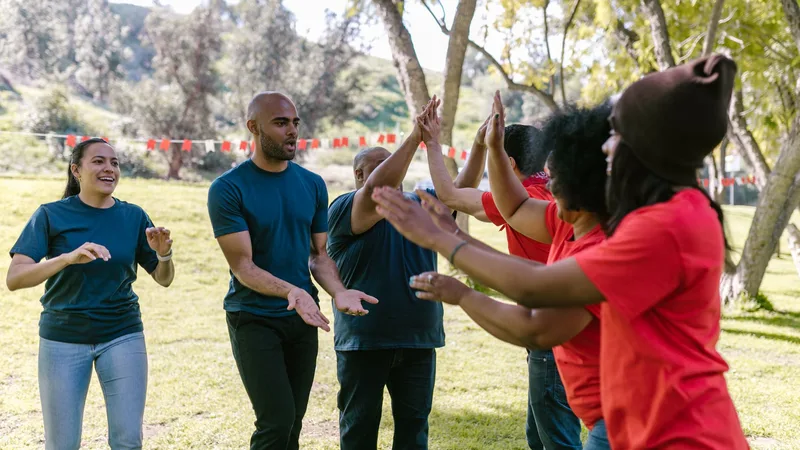
Community engagement is a vital aspect of local governance, fostering a sense of belonging among residents and enhancing the effectiveness of government initiatives. Successful local governments…
Innovative Approaches to Local Government and Community Engagement
Local governments play a crucial role in fostering community engagement, and innovative techniques are essential for success. By utilizing modern tools and platforms, they can create a more inclusive environment where residents feel their voices are heard. The shift towards digital communication offers opportunities for real-time interactions, making it easier for citizens to connect with their local representatives and participate in decision-making processes
In exploring these innovations, we uncover various strategies that can enhance community involvement. From social media to dedicated apps, local governments have multiple avenues to engage citizens effectively. These approaches improve transparency and encourage active participation in local initiatives, which can lead to a stronger sense of community. 💡
Utilizing Social Media Channels
Social media platforms have transformed how local governments can interact with residents. By leveraging these channels, officials can gather real-time feedback on policies, events, and community needs. This immediate interaction helps build trust and fosters a sense of belonging among citizens. Engaging through platforms like Facebook and Twitter allows for dynamic discussions, where community members can share their opinions and suggestions directly with decision-makers.
Creating Community Apps
Dedicated community apps represent a significant step forward in enhancing local government engagement. These applications can serve as a hub for information, allowing residents to access news, events, and resources all in one place. Additionally, they facilitate communication between local authorities and citizens, making it easier for residents to report issues or request services. The convenience of an app can lead to increased participation and a stronger connection between local government and the community.
Building Partnerships with Local Organizations
Building partnerships with local organizations is a vital strategy for enhancing community engagement. Collaborative efforts can amplify the impact of community events and initiatives, bringing together diverse perspectives and resources. When local governments align with nonprofits, schools, and other organizations, they can create more meaningful experiences for residents. This synergy benefits the community and strengthens relationships among various stakeholders.
These partnerships can take many forms, from co-hosted events to joint projects that focus on specific community needs. By pooling resources and expertise, local governments can implement initiatives that resonate more deeply with residents. This approach often results in a greater sense of ownership and pride within the community. 🌟
Collaborative Events with Nonprofits
Partnering with nonprofits can significantly enhance the quality and reach of community events. Nonprofits often have established networks and expertise in specific areas, which can be invaluable for local governments looking to engage residents. Collaborative events can include community clean-ups, health fairs, and cultural festivals that draw participation from a wide audience. By working together, local governments and nonprofits can create experiences that not only entertain but also educate residents about important civic issues, including responsible gambling practices.
Involving Schools in Civic Projects
Incorporating schools into civic projects is another powerful way to boost community engagement. Educational institutions can serve as hubs for local initiatives, allowing students to contribute to their communities while learning valuable skills. Involving schools in projects such as town hall meetings or community service days helps instill a sense of civic responsibility in young people. This engagement can also extend to topics like the importance of understanding responsible gaming, preparing students for informed decisions in the future.
Challenges in Engaging Diverse Communities
Engaging diverse communities is crucial for local governments aiming to foster inclusivity and collaboration. Various challenges can arise when trying to connect with residents from different backgrounds. One significant hurdle is addressing language barriers, which can limit effective communication and participation. Local leaders must find ways to ensure that all voices are heard and valued, regardless of language proficiency. This requires a proactive approach to outreach and engagement strategies.
Another challenge is catering to different age groups within the community. Young adults and seniors have distinct interests and ways of communicating. Balancing the interests of both demographics can be difficult, yet it’s essential for creating a vibrant community. Understanding what resonates with each age group can lead to more effective engagement efforts and strengthen community bonds.
Addressing Language Barriers
To effectively communicate with non-English speakers, consider implementing several strategies. First, use multilingual materials in your outreach efforts. This can include translated flyers, social media posts, and website content. Second, leverage local community organizations that work with diverse populations, as they can help bridge communication gaps. Third, host bilingual events where interpreters are available. This creates an inclusive environment that encourages participation. Lastly, train staff and volunteers in cultural competency to better understand the communities they serve.
Catering to Different Age Groups
Engaging both younger and older residents requires tailored approaches. For younger audiences, consider using social media platforms and interactive events that promote participation. Highlighting technology and digital tools can attract their interest. In contrast, older residents might prefer face-to-face interactions and traditional communication methods. Organizing community gatherings such as town halls or workshops can foster connections. Understanding these preferences is key to successful engagement across age groups.
Gamification as a Tool for Community Involvement
Gamification has emerged as an effective technique to boost community involvement by making participation more engaging and fun. By incorporating game-like elements into community initiatives, local governments can stimulate interest and encourage residents to take part in local activities. This approach can transform mundane tasks into enjoyable experiences, leading to higher participation rates. Innovative strategies, when applied thoughtfully, can create excitement and encourage residents to connect with their community.
When utilizing gamification, it’s essential to consider how to design activities that resonate with your community. This process involves understanding the motivations of residents and how they prefer to engage. By aligning gamified elements with community interests, local governments can foster a sense of ownership and pride among residents. A well-executed gamification strategy can lead to lasting benefits for the community.
Incorporating Game Elements in Surveys
Incorporating game elements into surveys can significantly enhance their appeal. For instance, consider using point systems or rewards for completing surveys. This not only makes participation more enjoyable but also encourages more residents to provide their feedback. Implementing interactive formats, such as quizzes or polls, can also engage participants and yield valuable insights. By transforming surveys into a playful experience, communities can gather essential data while boosting engagement.
Organizing Community Competitions
Contests can serve as an excellent way to stimulate participation in local initiatives. Organizing community competitions, such as art contests or neighborhood clean-up challenges, can motivate residents to get involved. These events create a sense of camaraderie and foster friendly rivalry, which can enhance community spirit. Offering prizes or recognition for participants can further incentivize involvement. 🎉 By creating a fun atmosphere, local governments can encourage greater community engagement and participation.
The Intersection of Community Engagement and Casino Entertainment
Community engagement fosters a sense of belonging and connection among residents. Local governments often strive to create initiatives that bring people together and enhance the overall quality of life. One effective way to achieve this is through partnerships with local businesses, including casinos. These establishments can play a significant role by hosting events that entertain and support community initiatives. By leveraging their resources, casinos can help address local needs and contribute positively to their neighborhoods.
When casinos host events such as charity fundraisers, local festivals, or educational workshops, they create opportunities for residents to come together. These gatherings can strengthen community ties and encourage participation in civic activities. Moreover, such events can draw visitors to the area, benefiting local businesses and stimulating the economy. It's crucial for casinos to align their events with community interests to ensure maximum engagement and impact.
Leveraging Casino Events for Community Benefits
Casinos can contribute to community wellbeing by organizing events focused on local issues. For instance, a casino might host a charity poker tournament where proceeds go directly to local schools or health services. This creates excitement around the event and builds awareness for important causes. Engaging in these practices demonstrates a commitment to social responsibility and can enhance the casino's reputation in the community.
Creating Responsible Gaming Campaigns
Promoting responsible gaming is essential. As casinos engage with their communities, they have an opportunity to educate residents about safe gaming practices. Developing campaigns that highlight the risks of gambling addiction and provide resources for help can foster a responsible gaming culture. These initiatives can include community workshops, informational brochures, and partnerships with local health organizations to ensure that residents have access to the support they need.
By prioritizing responsible gaming, casinos can build trust within the community, reinforcing their role as a positive force.
- Offer educational resources on responsible gaming practices.
- Host workshops that address gaming addiction and recovery.
- Partner with local organizations to promote safe gaming environments.
- Ensure that all promotional materials emphasize responsible gaming messages. 🎲